
Why I Finally Started Taking Printing Seriously
There is something that happens when you hold a print of your own photograph for the first time. The image you have lived with on a screen - adjusting, second-guessing, moving on - suddenly becomes an object. It has weight, texture, presence. It exists in a room rather than a folder.
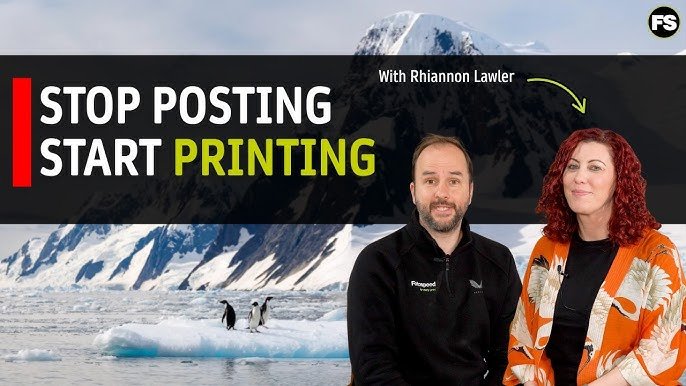
I have been thinking about this a lot lately, partly because I have been preparing work for my Bucks Art Weeks exhibition, and partly because I recently sat down with Tim from Fotospeed to talk about exactly this: what printing has meant to my work, and why I wish I had taken it seriously sooner.
The Interview
Tim visited me at home for a conversation that covered a lot of ground. We talked about how my approach to printing has changed over time, how seeing an image on paper shifts the way you evaluate it, and how the choice of paper is far more creative a decision than I initially understood. Different photographs respond differently to different surfaces, and getting that right is part of the process of finishing a piece of work - not an afterthought.
We also walked through the practical side: how I select images for print, the decisions I make along the way, and what it means to move a photograph from a screen into something you can frame, display, or give to someone.
And we spent some time looking at my current exhibition - wildlife and landscape work brought together under one roof as part of Bucks Art Weeks 2026. I talked about the thinking behind the selection, what the preparation involved, and what I hope visitors take away from it.
You can watch the full conversation here:
Why Every Photographer Should Print Their Photos — Rhiannon Lawler Interview
On Printing and What It Changes
One thing I come back to in the interview is how printing has changed the way I shoot and edit. When you know an image is destined for paper - particularly a larger print - you start making different decisions. You look more carefully. You think about light in a different way.
There is also something honest about a print. A screen forgives a lot. Paper does not. That can feel daunting, but it is also useful. It forces you to be more precise, and more selective.
I print my limited-edition archival giclée prints using Fotospeed papers, and the paper choice for each image is something I think about carefully. Some photographs need warmth. Others need crisp neutrality. Getting it wrong can flatten an image that works beautifully on screen.
The Prints
If the interview has made you curious about the work itself, you can browse and purchase limited-edition archival prints in my shop. Each print is produced to archival giclée standard, individually numbered, and available in a limited edition only.
Current collections include work from Madeira, Iceland, the Peak District, the Chiltern Hills, and the polar regions — landscapes and wildlife brought together in prints made to last.
If you have questions about prints, paper, or the process, feel free to get in touch. And if you enjoy the video, it is worth subscribing to the Fotospeed YouTube channel - they produce thoughtful, unhurried content for photographers who care about their craft.