
Small Photography Accessories I Never Travel Without
When people ask me what to pack for a photography trip, they usually expect a list of lenses. The truth is, some of the most useful travel photography accessories in my kit bag are small, inexpensive, and easy to overlook. These are the accessories that solve real problems in the field, on a Zodiac, halfway through a long shoot day with no charging point in sight, or in a hotel room at the end of the day. I have picked up most of these the hard way, after something went wrong on a trip, and they have earned a permanent place in my bag ever since.
Some of the links in this post are affiliate links, and I may earn a small commission from any purchases made through them, at no extra cost to you.
A Phone Lanyard
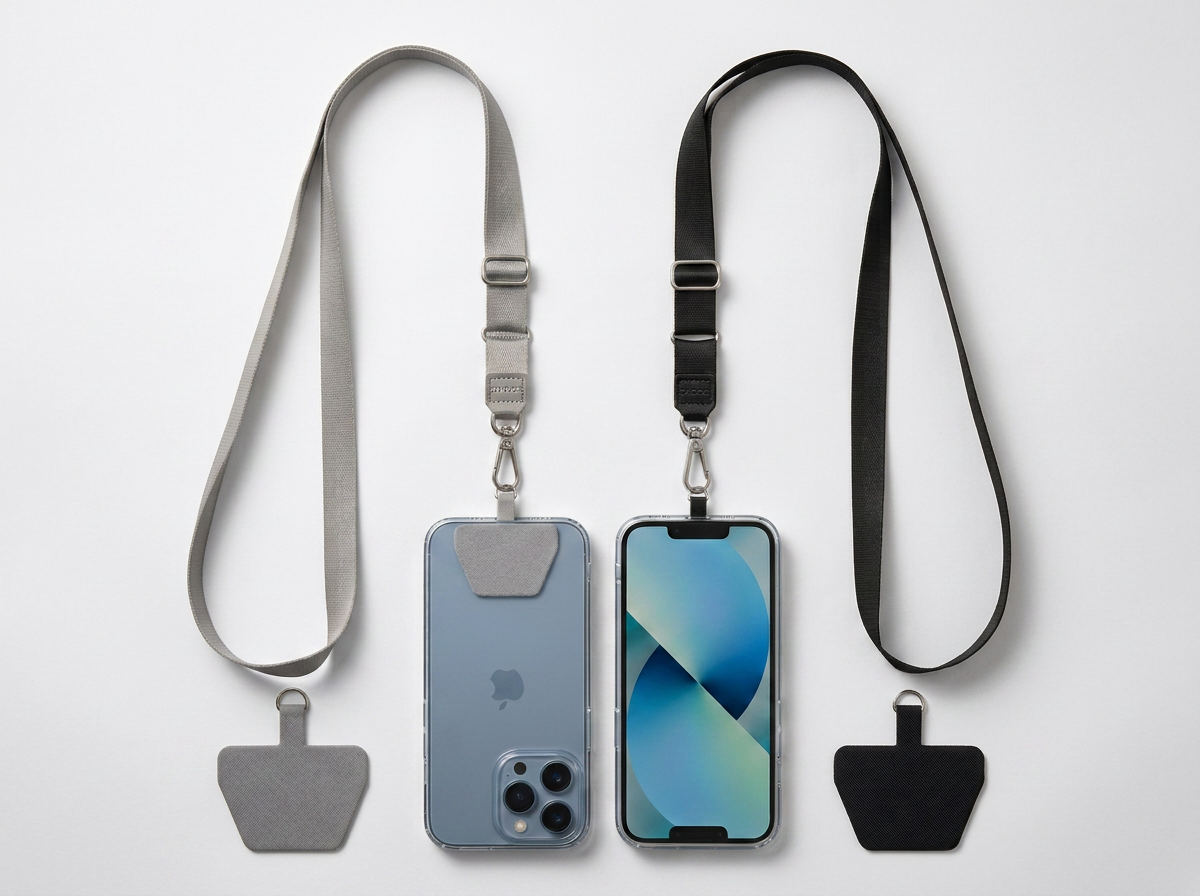
I use my phone for handheld shots and video far more than I expected to, and a phone is not something you want to be holding loosely on a boat, on a windy clifftop, or scrambling over rocks for a better angle. A simple crossbody lanyard, such as the CACOE Phone Lanyard with its adjustable neck strap and clip-on tabs, keeps it secured across the body so a sudden movement, a gust of wind, or a slip does not end with it in the sea or on the ground. It costs very little, and it has saved my phone more than once. If you shoot with your phone at all while travelling, treat a lanyard as non-negotiable. I also really like the way this one is reusable, so you can remove it when you’re back home and then re-attach it when you need it again.
A Camera Repair Tool Kit
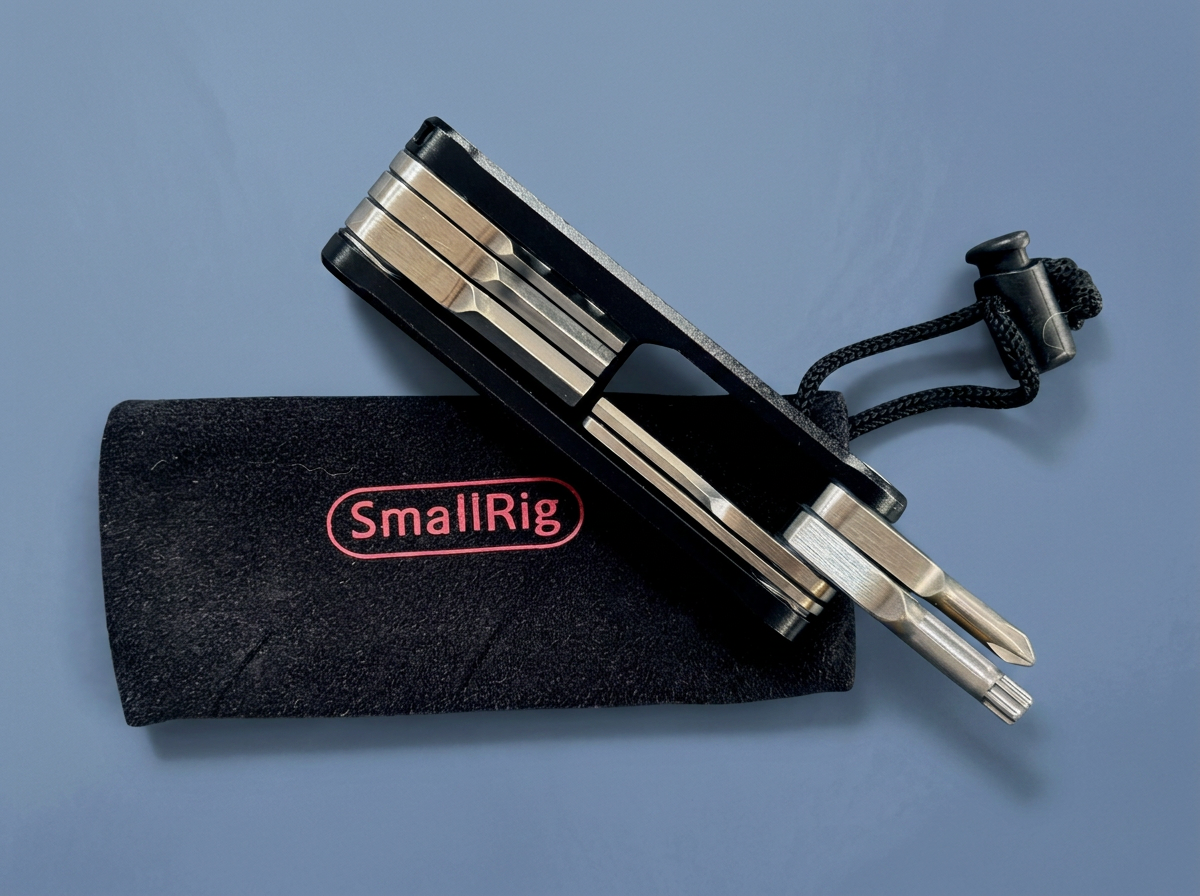
Camera gear has a habit of failing at inconvenient moments, usually somewhere without a repair shop for miles. A compact folding tool set, such as the SmallRig Camera Tool with its Allen wrenches, slotted and crosshead screwdrivers, and T25 driver, has fixed loose plates, wobbly grips, and tripod mounts for me more times than I can count. It weighs almost nothing and takes up very little space in a bag. For drone pilots in particular, some drone propeller and gimbal screws work loose over repeated flights, so having the right size driver on hand can be the difference between finishing a shoot and packing up early.
A Dual Camera Battery Charger
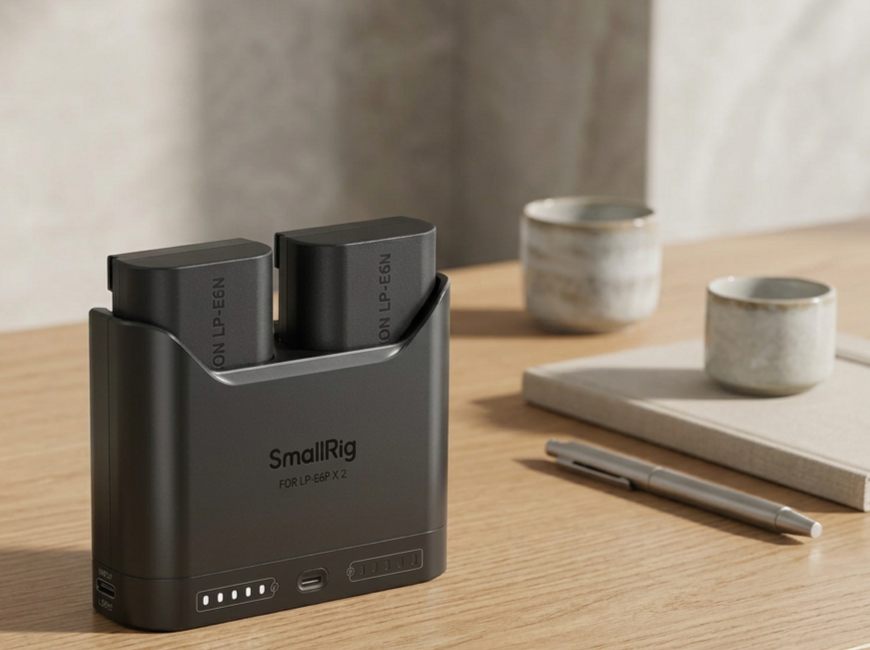
Camera batteries never seem to last as long as you need them to, especially in cold weather, which drains charge faster than usual. A dual-slot charger, such as the SmallRig LP-E6 series charger (they also make this charger for other camera brand batteries) with its 22.5W USB-C port, lets me top up two batteries at once rather than waiting through sequential single-slot charging. Being able to plug it into the same USB-C power bank or GaN charger as the rest of my kit also means one less separate charging brick to carry. I also use this as a way to transport my batteries in my bag for travel to keep them all neatly together.
An SD Card Reader
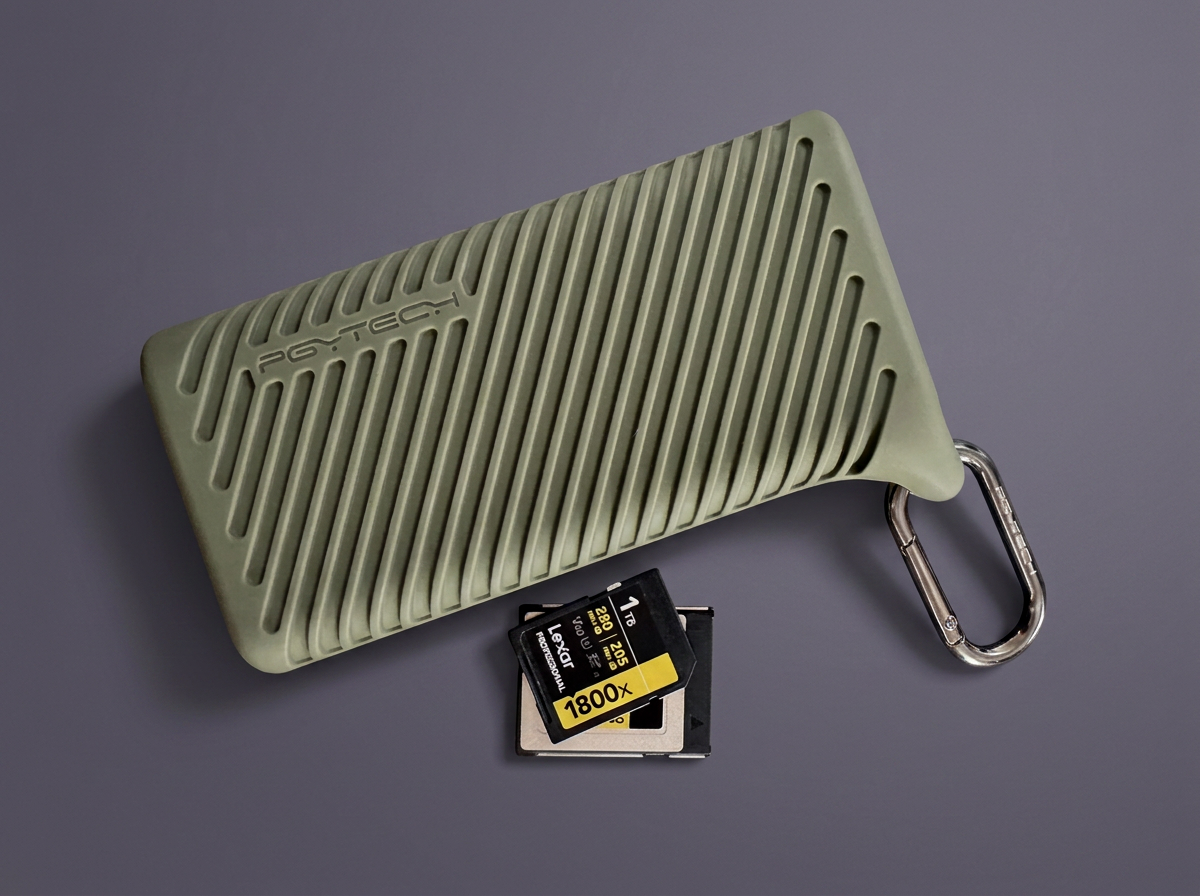
It sounds basic, but a reliable card reader belongs in every kit. Laptops increasingly ship without built-in card slots, and relying on a single cable or dock is asking for trouble if it fails. I use the PGYTECH CreateMate SD/Micro SD Card Reader Case, a USB-C reader rated at up to 312MB/s that doubles as a small storage case for spare cards, and it is IP54 rated against dust and splashes, which suits it well to being tossed in a bag rather than kept somewhere pristine. On a longer trip, this also matters for peace of mind. Getting images off the card and onto two separate drives each night is good practice, and it starts with having a reader that actually works when you need it.
A Rugged Portable SSD
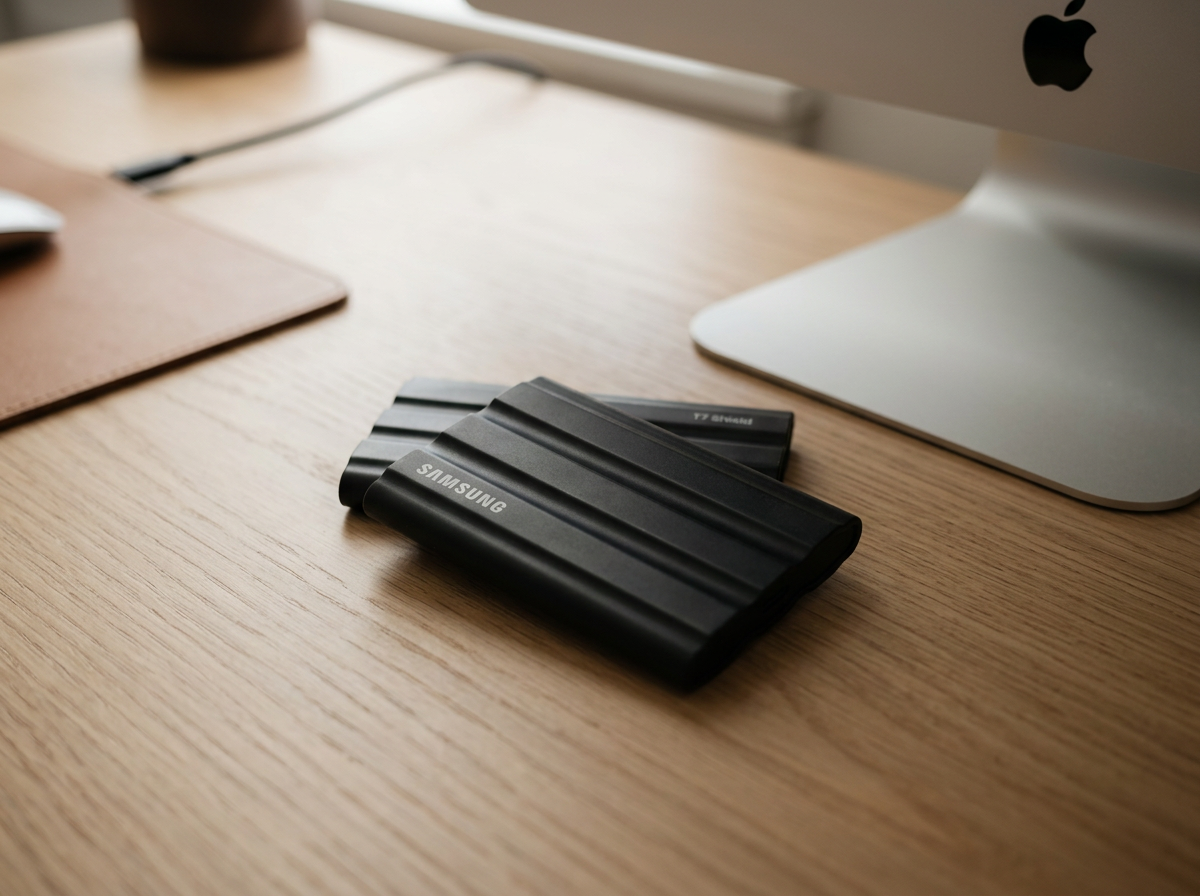
Backing up to a laptop is only half the job. A second, independent copy on a rugged drive protects against the laptop failing, being damaged, or being lost, which matters more the further you are from home. I use a Samsung T7 Shield for this, a small, rubberised SSD rated for drops, dust, and water splashes, which suits the knock-about conditions of travel far better than a standard external drive. It is fast enough to offload a full day of raw files and video in a few minutes.
Camera Cleaning Kit & Microfibre cloths
Dust, sand, and moisture make cleaning a regular task when travelling, both on the outside of a lens and, eventually, on the sensor itself. For the main job, I pack the VSGO Full Frame All in One Cleaning Kit from Camera Klean, which covers the full range in one compact case. It includes sensor swabs and cleaning solution, a mini air blower, a lens cleaning pen, a lens cleaner spray, and lens tissue, so it deals with a smeared lens, a dusty sensor, and a stubborn fingerprint from the same pouch. Changing lenses in the field is one of the fastest ways to pick up sensor dust, which shows up as dark spots on every image until it is addressed, so having sensor swabs in the same kit as everyday cleaning tools means I am never caught without the right one.
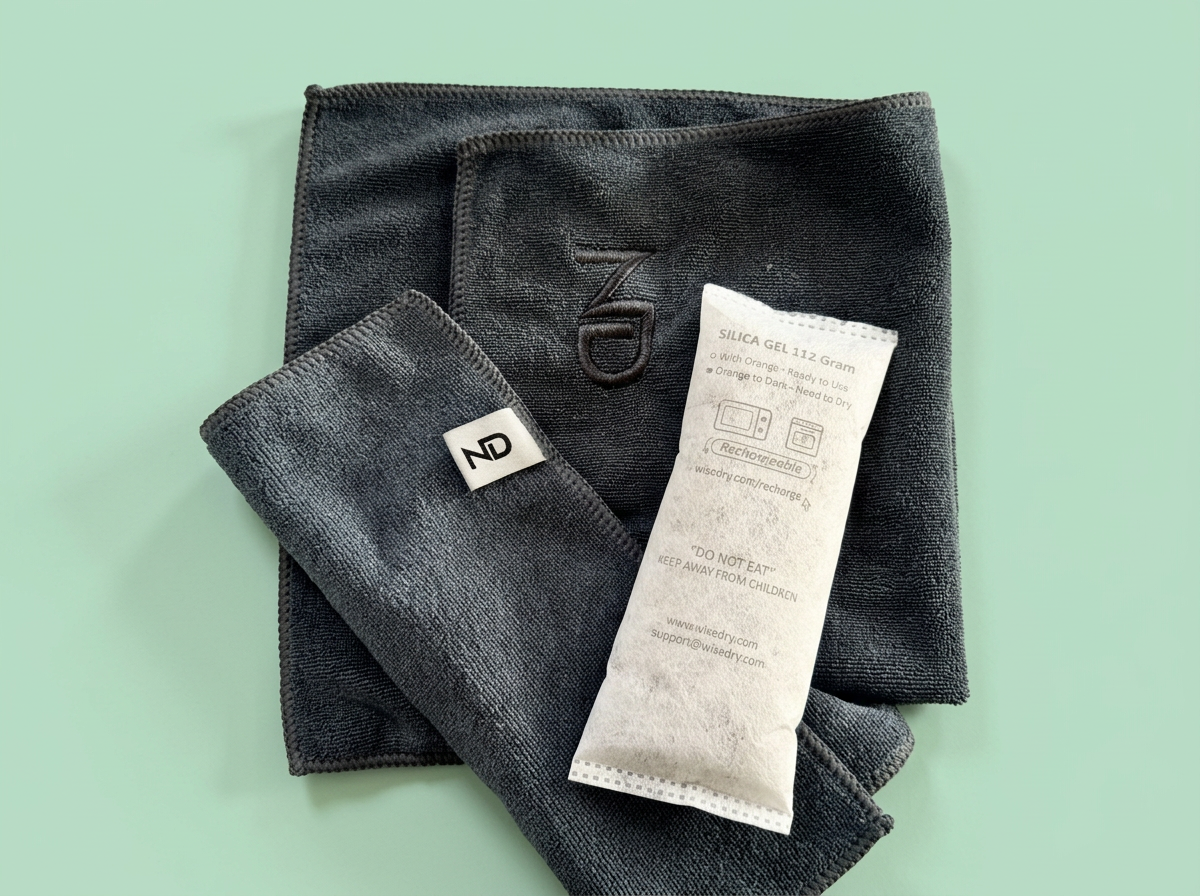
Alongside the kit, I always carry a set of Nigel Danson Microfibre Cloths for day-to-day wiping down. A cloth picked up from a supermarket rarely lifts moisture properly and tends to smear rather than clean, which is frustrating when you are trying to get a clear shot before the light goes. These are noticeably more absorbent, so a light wipe actually clears rain, sea spray, or condensation instead of pushing it around the lens. It is a small upgrade, but a good cloth is one of those things you only appreciate once you have used a proper one.
Both these items sell out quickly when they are restocked, so sign up on the website for updates.
Silica Gel Sachets for Camera Gear
Condensation is a constant risk when moving camera gear between different temperatures and humidity levels, such as from an air conditioned room into humid heat, or from cold outdoor air into a warm cabin, and it can get inside a lens or camera body if bags are not managed carefully. Large desiccant sachets, such as Wisedry's 112 gram packs with their colour-changing indicating beads, dropped into a camera bag or dry box, help absorb excess moisture and give a visual warning when they need replacing. They are inexpensive, reusable when dried out, and worth having in every case rather than just the main kit bag.
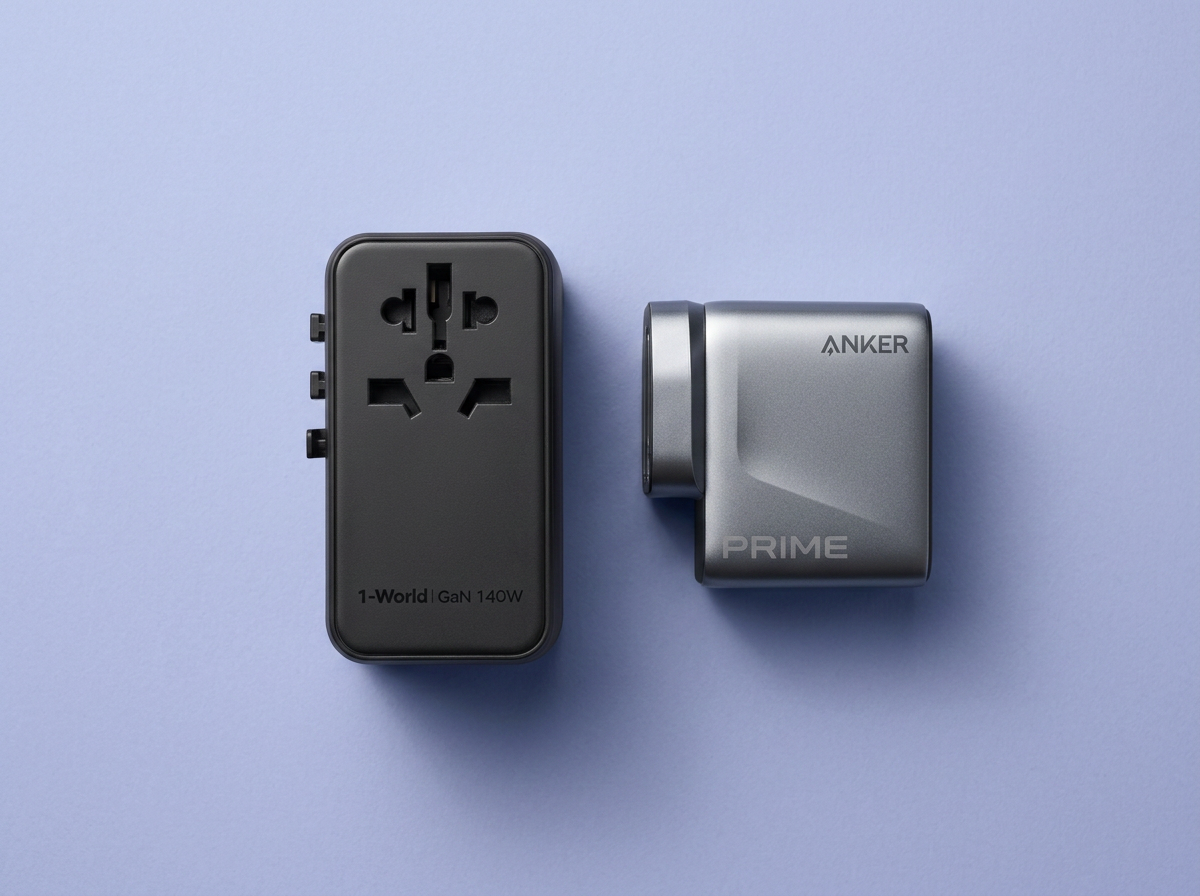
Space and weight are always at a premium when travelling with camera bodies, drone batteries, a laptop, and a phone. A GaN charger, such as the MOMAX 140W Universal Travel Adapter or the Anker Prime 160W USB-C Charger, replaces a bag full of individual chargers and adaptors with a single compact unit capable of fast charging multiple devices at once, often through two or three ports. In hotel rooms and airports, where power sockets are often limited and shared, being able to charge a laptop and a drone battery from one small charger, rather than monopolising two sockets, is both practical and considerate to other guests.
A Portable Power Bank
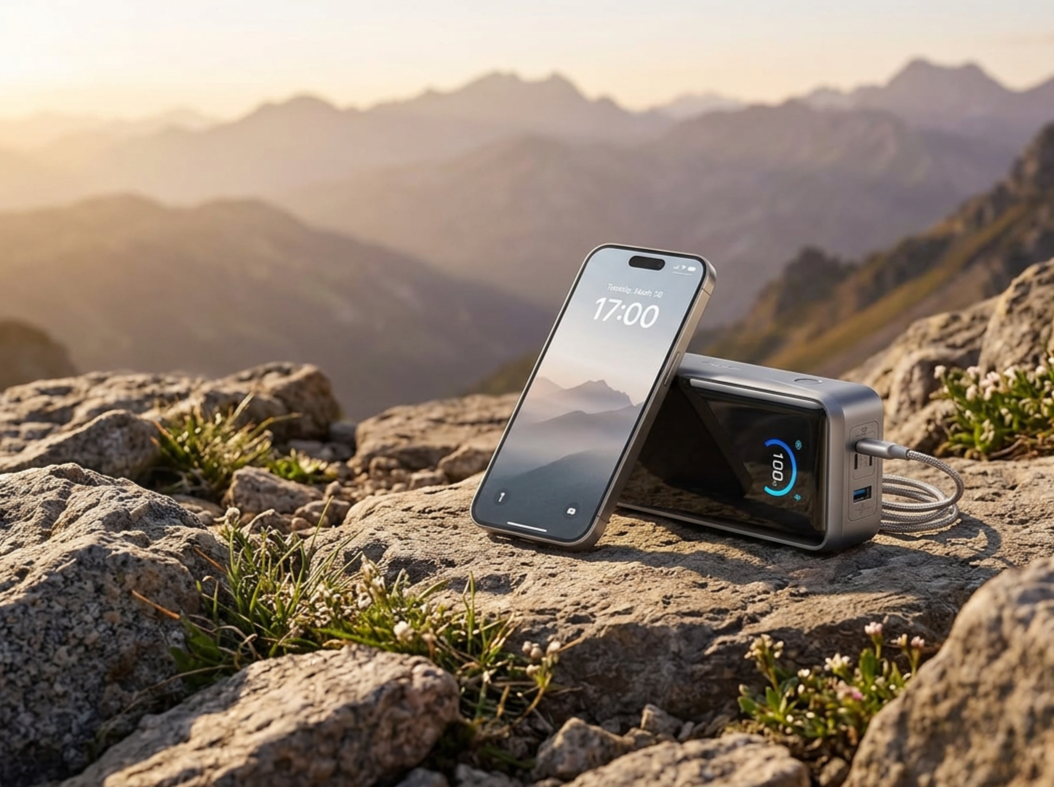
On a long shoot day, phones, drones, and camera batteries all draw on the same limited charging time back at base. A high-capacity power bank, such as the Anker Prime 26,250mAh with its 300W fast charging and three ports, means I am not tied to a wall socket between shoots. It can charge a laptop, a phone, and a drone battery at once, and its two-way charging means the power bank itself can be topped up quickly whenever a socket is free. For long transit days or flights with no power at the seat, having that much capacity in one unit removes a lot of the daily juggling.
A Bluetooth Audio Adapter
Long flights and transfers are part of most photography trips, and not every seat or device offers a reliable wired audio option. A compact adapter, such as the UGREEN Bluetooth 5.3 Transmitter Receiver, connects wirelessly to in flight entertainment systems or other audio sources so I am not left without sound on a long journey. With up to 28 hours of playtime and a dual connection option, it is a small addition that makes travel time more comfortable.

Electrolyte Tablets for Energy
Long days out shooting, particularly in heat, cold, or at altitude, take more out of you than expected, and it is easy to under-hydrate while focused on getting the shot. Effervescent electrolyte tablets, such as Phizz Daily Energy with vitamins, minerals, and a modest dose of caffeine, are an easy way to top up hydration and energy between meals without carrying extra food. They pack flat and take up almost no space, which makes them easy to justify alongside the rest of a travel kit.
There is also an alternative version without the caffeine, and multiple flavours to pick from!
Small Kit, Real Impact
None of these items are glamorous, and none of them will feature in a gear review video. But together they solve the problems that actually derail a shoot: a dropped phone, a loose plate, a flat battery, a failed cable, a smeared lens, a dusty sensor, condensation creeping into a case, or simply running out of charge and energy halfway through the day. Packing well for a trip is not only about the big decisions. It is about the small additions that keep everything else working.